James found the contract after twenty minutes of arguing.
Not because my father agreed.
Because Aunt Morgan sent me a text containing three words.
No documents, leave.
I read the message without changing my expression.
Then I stood.
“All right.”
My mother looked up.
“Where are you going?”
“Back to work.”
My father stared at me.
“We’re not finished.”
“We are if James won’t show me what he signed.”
James muttered something under his breath.
I picked up my bag.
He swore, crossed the salon, and yanked his backpack from the floor.
“Fine.”
My father’s voice sharpened.
“James.”
“I said fine.”
He removed a thick envelope from an inner compartment and threw it onto the table.
The papers struck the polished wood and slid apart.
“There. Happy?”
“No.”
I sat down.
James remained standing.
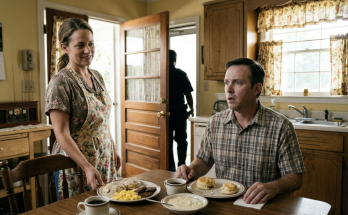
My mother moved toward the table, but Dad stayed near the windows with his arms crossed.
He looked less like a father now and more like a man watching someone audit a crime scene.
I began reading.
The first pages were standard enough to a non-lawyer’s eye: borrower information, principal, fees, default provisions, interest, reporting obligations.
Then I found the number.
“Twenty-six percent?”
James shrugged.
“It was short-term.”
“That is annualized?”
“Yes.”
“And there’s a default rate above that?”
He looked away.
My father said, “That’s why it grew.”
“No. It grew because this contract is designed to become expensive very quickly.”
I continued.
Late fees.
Collection costs.
Legal costs.
An acceleration clause.
Automatic increases triggered by missed reporting requirements.
The eighty-thousand-dollar loan had been toxic from the beginning.
“What did you use the money for?”
James sat opposite me.
“The investment.”
“That isn’t specific.”
“It went into a liquidity pool.”
“For what project?”
He named a token I had never heard of.
“What did you know about it?”
“A lot.”
“Who introduced you?”
“A guy.”
I looked up.
“A guy?”
“Someone I knew.”
“Name.”
He hesitated.
“Derek.”
“Last name.”
“Cole.”
“Friend?”
“Business contact.”
“How long had you known him?”
“Six months.”
My father interrupted.
“This is irrelevant.”
“It is completely relevant.”
“Why?”
“Because if James was induced into a fraudulent investment, that matters. If he simply lost money in speculation, that also matters. If he transferred borrowed funds to someone he barely knew, that matters most of all.”
James leaned back.
“You sound like Morgan.”
I nearly smiled.
“She’d take that as a compliment.”
Dad muttered, “Of course she would.”
I turned another page.
Then stopped.
The guarantor section did not list only my father.
It listed my mother too.
I looked at her.
“You signed this?”
Her face drained.
My father stepped forward.
“She didn’t understand all of it.”
My mother looked at him.
Something sharp passed between them.
“I understood I was signing,” she said.
“That isn’t what I meant.”
“No. You meant I should let you explain it.”
My father’s mouth tightened.
It was the first fracture I had seen between them.
“How much of the house did you pledge?” I asked.
Neither answered.
I found the schedule myself.
The document listed a second-position interest connected to the refinanced property and additional personal guarantees.
Then another clause caught my eye.
I read it twice.
“Dad.”
He did not answer.
“What is Ralston Consulting?”
His face changed.
Only for a second.
But it was enough.
James looked at him.
My mother sat down slowly.
I tapped the page.
“This says the guarantor pledged accounts receivable from Ralston Consulting.”
My father walked toward me.
“Give me that.”
I pulled the contract closer.
“What is it?”
“My company.”
“I thought you retired.”
“I consult.”
“For whom?”
“That has nothing to do with this.”
“Apparently it does.”
My father reached for the papers again.
I put my hand over them.
“Don’t.”
His hand stopped.
For a moment, we simply looked at each other.
He had spent my childhood treating physical proximity as authority.
I wondered if he had ever realized how much smaller that tactic would feel once I stopped being afraid of him.
He withdrew his hand.
“Ralston Consulting is private.”
“So was my bedroom.”
James rubbed his face.
“This is getting stupid.”
“No. This is getting accurate.”
I turned back to the document.
The receivables schedule contained several customer names.
One caught my attention.
Apex Global Holdings.
I stared at it.
Then looked at my father.
“Why is Apex listed as one of your consulting clients?”
No one moved.
I read the line again to make sure I had not misunderstood.
Ralston Consulting had billed Apex.
Not once.
Multiple times.
My father knew them.
Not merely as James’s lender.
Professionally.
“How long have you worked with Apex?”
Dad’s voice became flat.
“It’s not what you think.”
“I don’t know what I think yet.”
“They needed local consulting.”
“For what?”
“Business development.”
“Before or after James borrowed money?”
Silence.
James looked from Dad to me.
“What?”
His confusion appeared genuine.
I turned the contract so he could see.
“Dad’s company has been paid by Apex.”
James snatched the paper.
My mother’s hands moved into her lap.
“Richard,” she said quietly.
My father ignored her.
James scanned the page.
“You know them?”
“I know people there.”
“You told me Derek introduced the lender.”
“He did.”
“You said you didn’t know Apex.”
“I said I didn’t know the loan officer personally.”
“That is not the same thing.”
Dad’s composure finally slipped.
“I was trying to help.”
James stood.
“You recommended them.”
“No. I said they were legitimate.”
“You said they could move fast.”
“Because they could.”
“You told me the rate didn’t matter because I’d repay in sixty days.”
“I believed you would.”
James laughed once, but there was no humor in it.
“You believed I would because I told you the token would triple.”
My mother looked between them.
“Can someone explain what is happening?”
I already understood enough to feel sick.
My father had not merely guaranteed a loan James found independently.
He had helped steer him toward the lender.
Maybe not maliciously.
Possibly out of the same blind confidence that had fueled every previous rescue.
But he had known Apex.
He had vouched for them.
And now he had hidden that from me while presenting himself as a victim of circumstances.
From my pocket came a soft vibration.
Morgan texting.
I glanced down.
Ask when Richard first contacted Apex about James.
I looked up.
“When did you first talk to Apex about James?”
Dad stared at me.
“Why?”
“Because I’m asking.”
“Before the loan.”
“How long before?”
“A week.”
James’s face hardened.
“You talked to them before I did?”
“I made an inquiry.”
“You told me Derek had already set everything up.”
“I wanted to make sure the lender was real.”
“Did you negotiate my terms?”
“No.”
“Did you tell them about the house?”
My father did not answer.
James pushed both hands against the table.
“Did you?”
“I told them I had assets.”
“That wasn’t the question.”
My mother stood abruptly.
“Richard.”
He turned toward her.
She looked smaller than she had earlier, not physically but in certainty.
“Did you offer the house before James asked us to guarantee anything?”
My father’s face closed.
And that was answer enough.
James stepped away from the table.
“You set this up.”
“I protected you.”
“You put the house on the table.”
“You needed financing.”
“I needed eighty grand.”
“You needed credibility.”
James stared at him.
It was the first time all afternoon I saw my brother look at our father not as an authority but as a problem.
My phone vibrated again.
Morgan.
Get copies. Do not let Richard destroy or remove anything.
I quietly began photographing every page.
Dad noticed.
“What are you doing?”
“Keeping records.”
“Stop.”
“No.”
“This is family business.”
“It became legal business when you signed contracts.”
“You are not giving Morgan those.”
“I already gave her the payoff letter.”
His face reddened.
“You had no right.”
I laughed.
“No right to show a lawyer a document you brought me while demanding my money?”
My mother sank back into the chair.
James paced to the windows.
The entire room had changed.
An hour earlier, my father had commanded the conversation.
Now information was taking that command away from him one page at a time.
I kept reading.
Near the end of the agreement was an attachment labeled Borrower Certification.
James had certified the purpose of the loan.
Working capital for an operating business.
I looked up.
“What business?”
He stopped pacing.
“What?”
“The loan says this was working capital.”
“It was.”
“For what company?”
He named his LLC.
“The same LLC that invested in the token?”
“Yes.”
“That is not ordinary working capital.”
“Technically it was treasury management.”
I stared at him.
“You borrowed eighty thousand dollars at twenty-six percent against a company, then put the money into crypto.”
“When you say it like that—”
“How else should I say it?”
“It wasn’t supposed to stay there.”
I turned the page.
Then I found another certification.
Annual revenue: $640,000.
I looked at James.
“How much revenue did your company actually have?”
His expression went blank.
My heart sank.
“James.”
He sat down again.
“That number included projected contracts.”
“It says trailing twelve months.”
“We expected—”
“How much?”
He rubbed both palms across his jeans.
“One eighty.”
“One hundred eighty thousand?”
“Roughly.”
“You certified six hundred forty.”
“Dad said lenders look at growth.”
I turned toward my father.
He looked away.
My throat tightened.
“You helped him falsify the application?”
“I helped him present the company properly.”
“Properly?”
“Businesses use projections.”
“Not where the form asks for historical revenue.”
Dad stepped toward me.
“You don’t understand commercial financing.”
“I understand a false number.”
He pointed at the contract.
“You understand boats.”
“And apparently better than you understand fraud.”
My mother made a strangled sound.
“Don’t say that word.”
“What word should I use?”
James lowered his head.
For the first time, he looked genuinely ashamed.
I had spent years resenting him as the protected son who never faced consequences.
Sitting there, I saw something uglier.
Dad’s protection had not protected him.
It had trained him to believe reality could always be negotiated after the mistake.
Now the mistake had paperwork.
I finished photographing the agreement.
Then I sent everything to Morgan.
My father watched the final image leave my screen.
His face hardened into something I had not seen since the night he disowned me.
“You always choose outsiders over your own family.”
I slipped the phone into my pocket.
“No.”
I looked at James, then at the contract.
“I choose facts over people who keep changing the story.”
Behind the anger in my father’s face, I saw something else.
Fear.
Not fear of Apex.
Fear of the documents.
And that told me the most important thing I had learned so far.
The debt was dangerous.
But my father was more afraid of what would happen if someone examined how it had been created.
Click here to continue reading: PART 7: My Brother Finally Admitted Where the Eighty Thousand Dollars Went, and the Missing Money Changed Who Was Actually in Danger
I Came Back to My Yacht and Found My Father Wearing My Robe Like He Had Already Replaced Me
Part 6 of 15