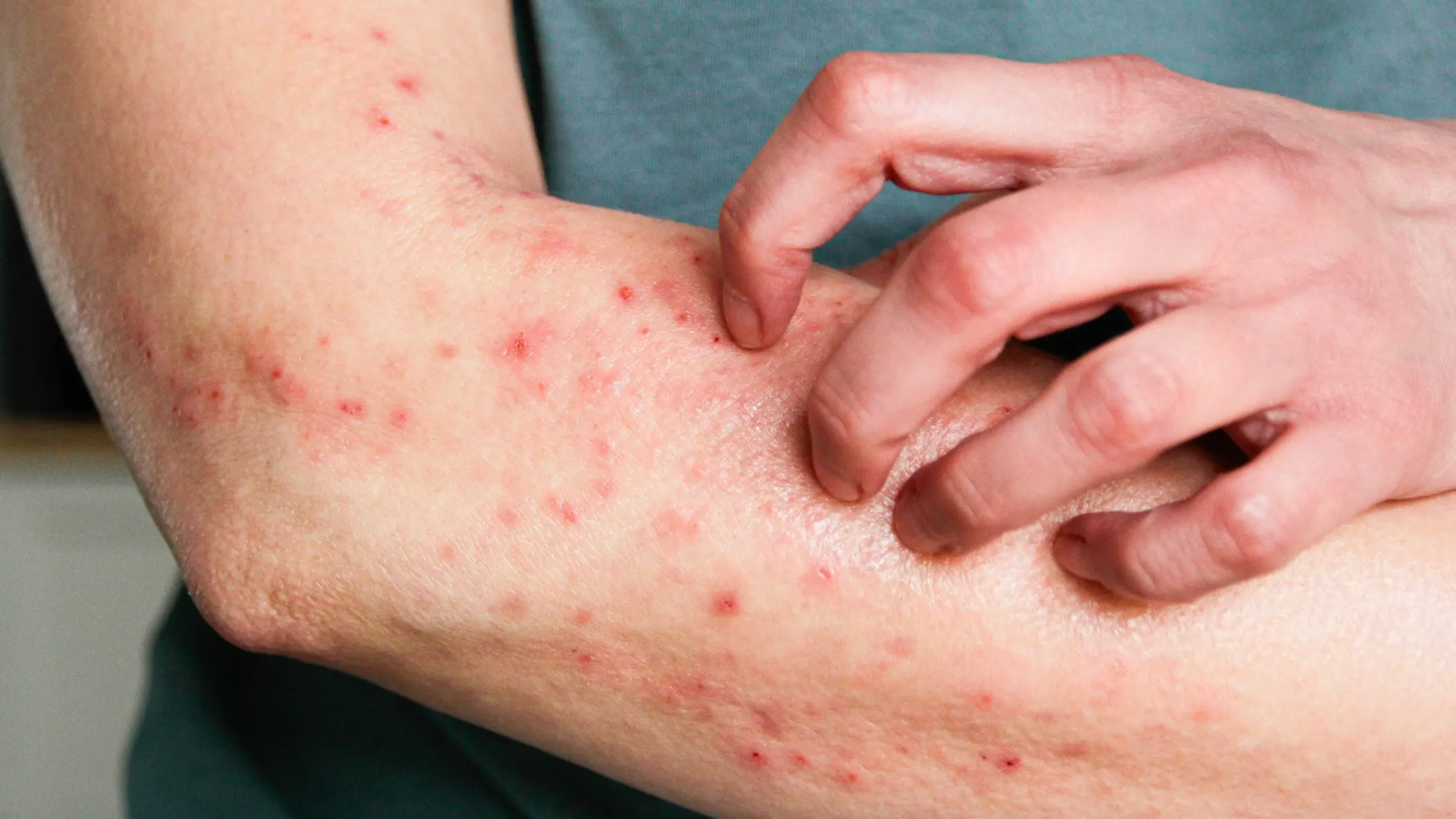
The weather in the UK has been doing all sorts this year and it’s clear that, for many of us, our skin hasn’t been having a good time.
Repeated heatwaves have brought soaring temperatures, before sudden dips have sent the mercury tumbling again.
Those abrupt changes in temperature can be uncomfortable enough for the rest of us, but for people with sensitive skin, they can cause even more trouble.
Going from hot, humid days to cooler, drier conditions can leave skin struggling to adjust, potentially triggering flare-ups of common health conditions including eczema and psoriasis.
Dr Memee Ahmad of SkinCouture exclusively explained to Tyla all we need to know on the matter and how to best navigate a skin flare-up amidst the crazy weather.
There’s a very good reason why your psoriasis and eczema has been flaring up so much this season (Getty Stock Images)
“Your skin relies on a barrier layer that keeps water in and irritants out,” he said. “During a heatwave, you sweat more, and sweat itself can irritate skin that’s already prone to eczema, sometimes triggering flares on its own.”
The expert added that the air is also usually more humid, so your skin gets used to that.
“Then the temperature drops fast, the air turns dry, and your skin can’t keep up,” Dr Ahmad continued. “That mismatch is often worse than the cold itself.”
For eczema, Dr Ahmad singled out cold dry air as ‘the main problem’.
“It pulls moisture out through a barrier that’s already weaker than normal, so irritants and allergens get in more easily, and the itching gets worse,” he outlined. “Turning the heating on indoors makes this worse too, since it dries the air out even further.”
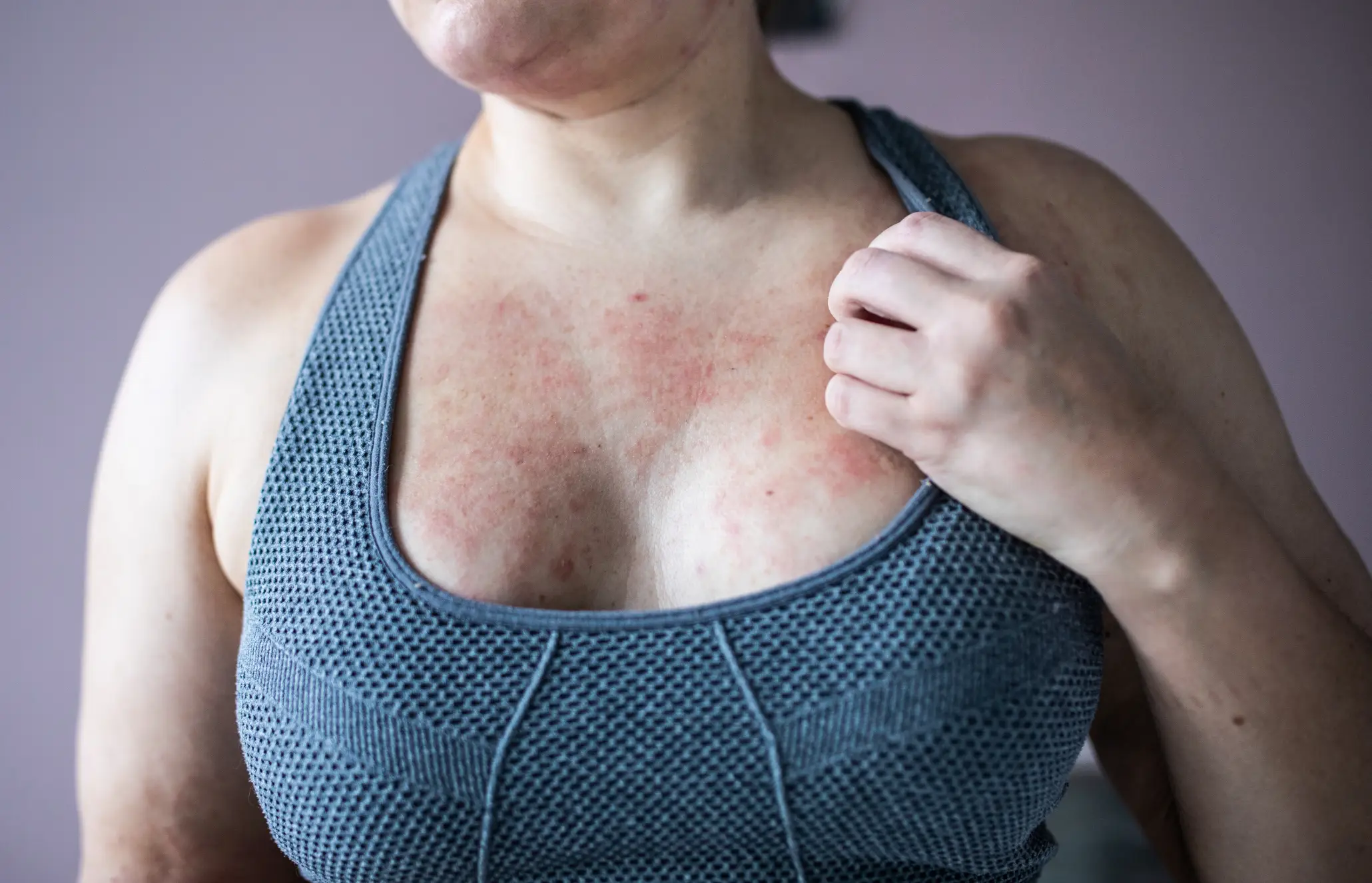
An expert explained why the constant changes in temperature ‘catch skin out’ (Getty Stock Images)
Psoriasis, however, flares in winter for slightly different reasons.
“Less sunlight means less vitamin D production in the skin, and vitamin D actually helps calm down the skin cell turnover that drives psoriasis,” Dr Ahmad said.
“Cold weather also makes skin more prone to cracking and minor injury, and in psoriasis, any trauma to the skin, even a scratch, can trigger a new patch to form nearby. This is a well-documented effect called the Koebner phenomenon.”
The expert also pointed to several studies tracking psoriasis severity through the year that consistently show it’s worse in winter than summer.
“So it’s not really about heat being bad or cold being bad,” Dr Ahmad resolved. “It’s the switch between them that catches skin out, especially when it happens quickly.
“The best approach if you know your skin is sensitive to this is to get ahead of it: keep using a good emollient and try to keep indoor humidity up, rather than waiting for the flare to start before you act.”
We’re in the peak of summer, and many of us love nothing more than being out in the sun all day working on our tan.
However, amidst the inevitable sunburns and peeling skin, several women have since rushed to social media, sharing their experiences with a surprising skin condition they’ve only just noticed.
Commenting on what has now been dubbed a ‘melasma moustache’ or ‘melasma mouth’ online, one TikTok user wrote: “I have the worst discolouration around my mouth. It looks like a moustache.”
Similar articles to this
‘Heatwave belly’ explained as hot weather leaves Brits with unusual symptom
Women warned heatwaves could make common PMS symptom even worse
Extreme heatwaves and climate change are affecting your period
‘Cycle syncing’ debunked as expert says women should stop changing workouts around their period
‘Melasma mouth’ explained as women with specific symptom only just realising little-known condition
Sterling Point star Ella Rubin shares truth behind the iconic leg pull kissing scene that everyone is going …
Debunking ‘morning shed 2.0’ as dermatologist shares important advice
Jelly Firkin warning issued to anyone wanting to buy one as new trend sweeps Gen Z
‘Nun girl summer’ takes unexpected turn as ‘normal girl summer’ sweeps over Gen Z
Madonna’s four adopted children are all grown up – and one has a surprisingly normal job
Awful crimes Texas’ seven death row women did to get fatal prison sentences
Brad Pitt and Angelina Jolie’s relationship and breakup timeline spanning decades
Princess Anne’s lifelong passion she inherited from the Queen – and passed down to Zara Tindall
How Princess Anne quietly became the most influential member of the Royal Family
Reason psoriasis and eczema are flaring up for so many Brits right now
57p supplement praised for banishing woman’s period acn
Steve Carell’s birthday has fans revisiting the ‘biggest plot twist’ in one of his best films
Eight core human rights Afghanistan’s women have lost since Taliban takeover
Sleep therapist warns sleeping naked or on top of your duvet in a heatwave makes you hotter
Ransom Canyon viewers might recognise Staten’s brother from very popular Gen Z show
And a third echoed: “I get this sooooo bad.”
Alice Henshaw, founder of SkinCycles and Harley Street Injectables, exclusively told Tyla all we need to know about the summer holiday phenomenon.
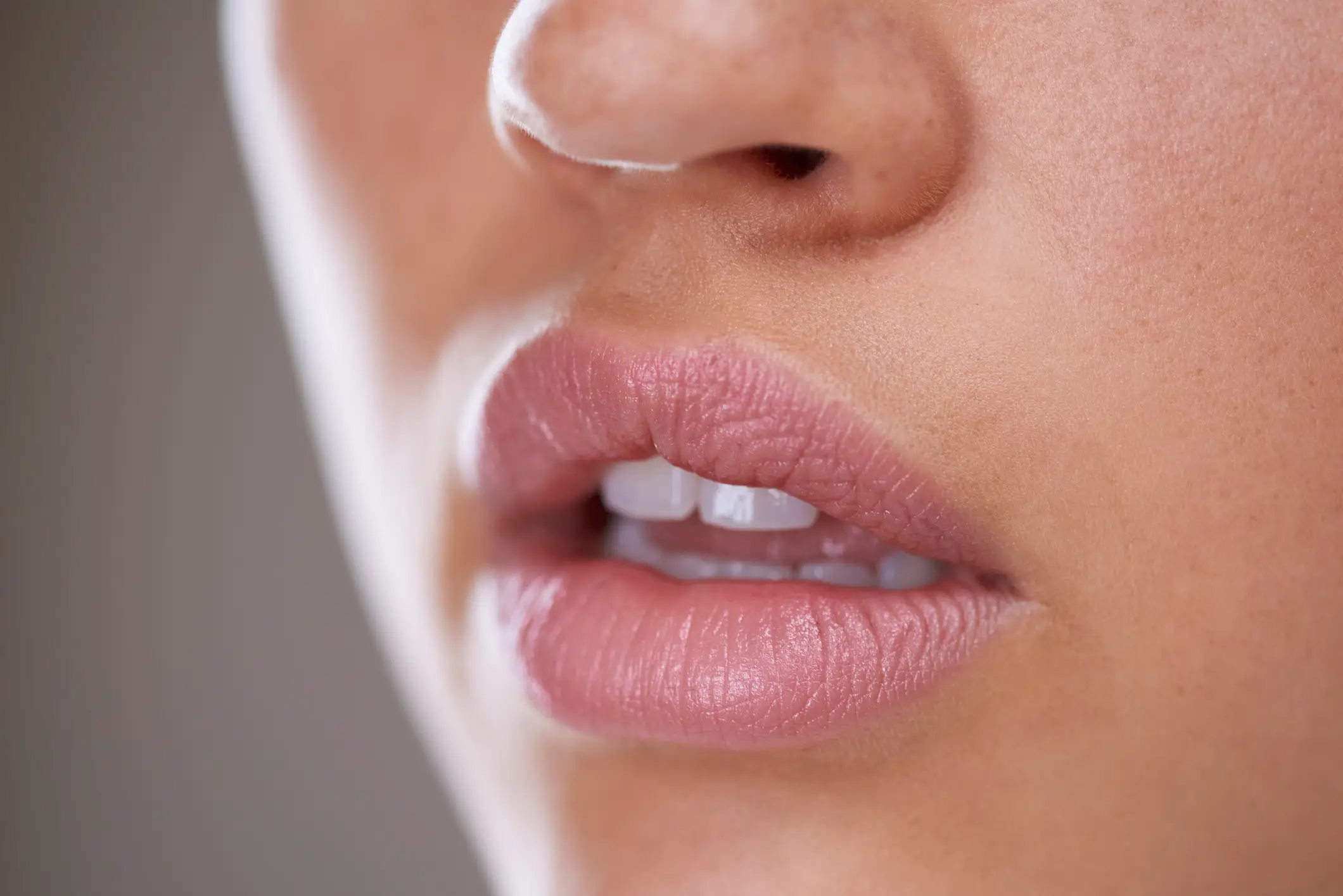
What on earth is ‘melasma mouth’ and why does it happen to so many women? (Getty Stock Images)
What is ‘melasma mouth’?
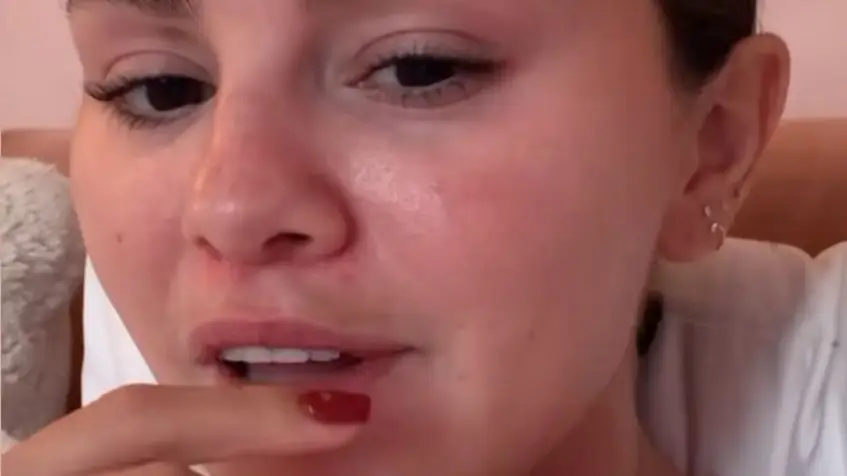
According to Alice, ‘melasma mouth’ is a common nickname for melasma that appears on the upper lip, creating a symmetrical patch of brown or grey-brown pigmentation that can resemble the shadow of a moustache.
While it’s completely harmless, it can be frustrating as it’s often difficult to conceal and has a tendency to recur if the underlying triggers aren’t addressed.
How does this happen?
The expert explains that melasma occurs when melanocytes (the cells responsible for producing pigment) become overactive and produce excess melanin.
“It’s usually triggered by a combination of factors, with UV exposure being the biggest culprit,” Alice continued, adding: “Heat and visible light can also stimulate pigment production, which is why melasma often worsens during the summer or in warmer climates.
“Hormonal fluctuations and genetics can make the skin even more susceptible, meaning some people develop pigmentation even with relatively modest sun exposure.”

Selena Gomez previously opened up about her melasma (Instagram/@selenagomez)
Who is more likely to get it and why?
Melasma is much more common in women than men and typically affects people between the ages of 20 and 50.
Those most at risk include:
- People with medium to darker skin tones, as they naturally have more active melanocytes
- Anyone with a family history of melasma
- Women who are pregnant or taking hormonal contraception
- Individuals with frequent sun or heat exposure
- People who have had previous episodes of pigmentation
“Hormones, genetics and UV exposure often work together, which is why some people are significantly more prone than others,” Alice adds.
Are there any risks attached to melasma?
The good news, Alice assures, is that melasma isn’t dangerous or cancerous. However, it can have a significant impact on confidence and self-esteem.
She outlined: “The biggest challenge is that it can become chronic if left untreated or if the skin isn’t adequately protected from UV and visible light. Aggressive treatments or picking at the area can actually worsen pigmentation by triggering inflammation, so it’s important to take a gentle, evidence-based approach.”
What should you do if you have a melasma moustache?
Alice says that the first priority is prevention, as melasma is much easier to prevent than treat.
She recommends wearing a broad-spectrum SPF 50 every single day, regardless of the weather, and reapplying it throughout the day as well as incorporating a potent antioxidant, such as a Vitamin C serum, into your morning routine to help protect against free radical damage while brightening the complexion.
And lastly, using pigment-regulating skincare prescribed by a skincare professional.
“Depending on the individual, we may also recommend carefully selected laser treatments or energy-based devices that are suitable for melasma. However, not all lasers are appropriate, and choosing the wrong treatment can actually worsen pigmentation. That’s why a thorough consultation is essential to determine the safest and most effective approach,” she warns.
Does the contraceptive pill or pregnancy make melasma worse?
“Yes,” the expert confirms. “Hormonal changes are one of the biggest triggers for melasma.”
Alice continued: “It’s so common during pregnancy that it’s often referred to as the ‘mask of pregnancy’. Increased levels of oestrogen and progesterone stimulate melanocytes, making the skin much more likely to develop pigmentation.
“Similarly, some forms of hormonal contraception, including the combined oral contraceptive pill, can trigger or worsen melasma in susceptible individuals.
“Even after pregnancy or stopping the pill, the pigmentation can persist if it isn’t treated and the skin remains exposed to UV light.”
For this reason, Alice says, daily SPF should be considered non-negotiable, particularly for anyone with a history of melasma or hormonal pigmentation.
“Combining diligent sun protection with antioxidant skincare, such as a Vitamin C serum, and professional treatments like Cosmelan where appropriate offers the best chance of improving pigmentation while helping to prevent it from returning,” she concludes.
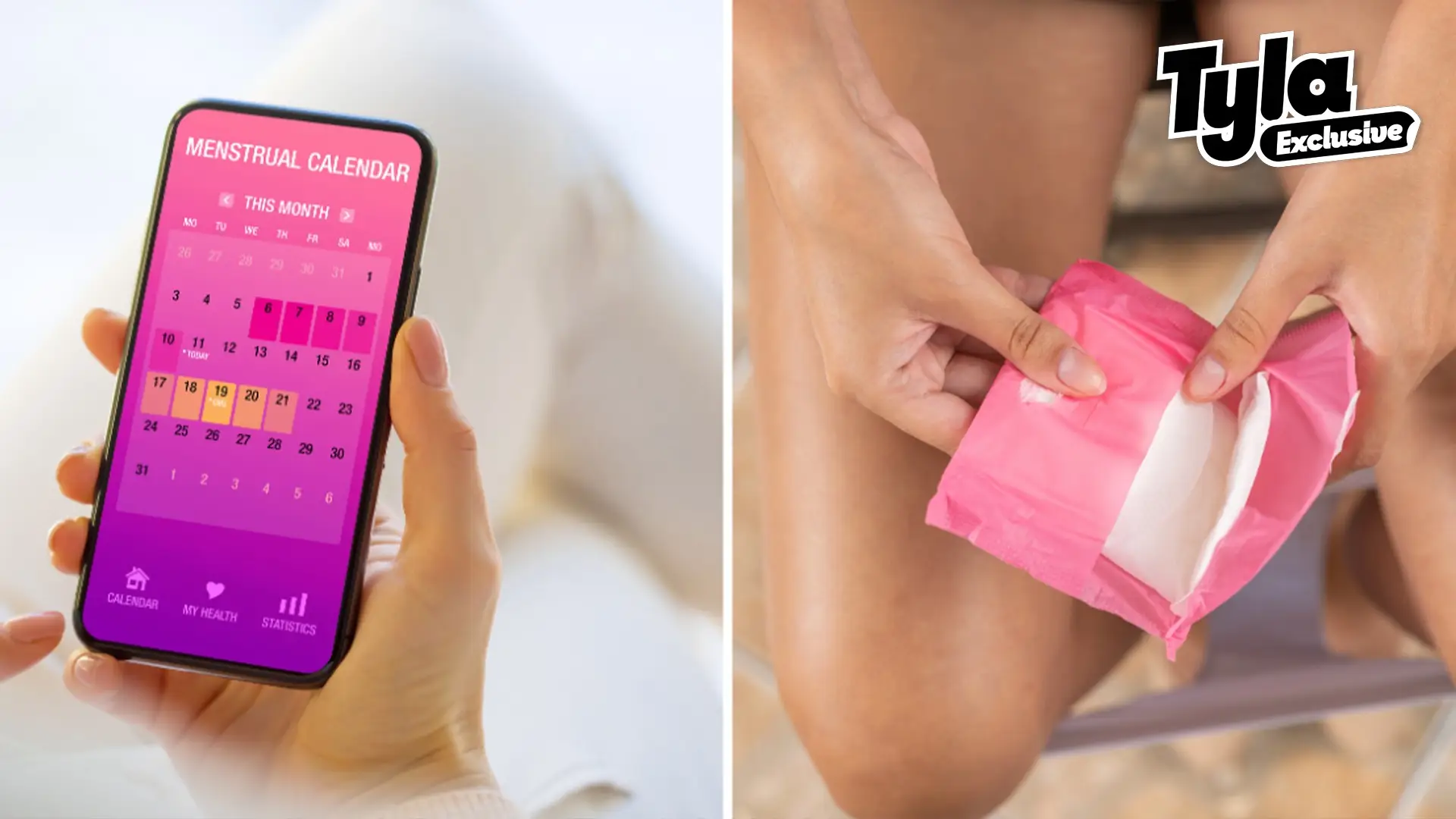
A wave of women on social media have been sharing the same experience with their menstrual cycles, claiming they missed or had delayed periods at the same time, sparking widespread speculation online.
With thousands of posts, views and comments, many users are searching for answers and wondering whether there is a bigger reason behind the trend.
Now, a women’s health expert has weighed in to explain what could really be happening and why so many women may be noticing changes in their cycles at the same time.
Thousands of women report missing their periods
Over on TikTok, one post with more than 26,000 likes and thousands of shares has been flooded with comments from shocked users sharing similar experiences.
“That was universal,” one woman wrote in response to another user who described her experience.
“Um wtf… I missed my June period and got my period July 10th,” said another, as a third said: “So you’re telling me I wasn’t the only one having period cramps out of nowhere.”
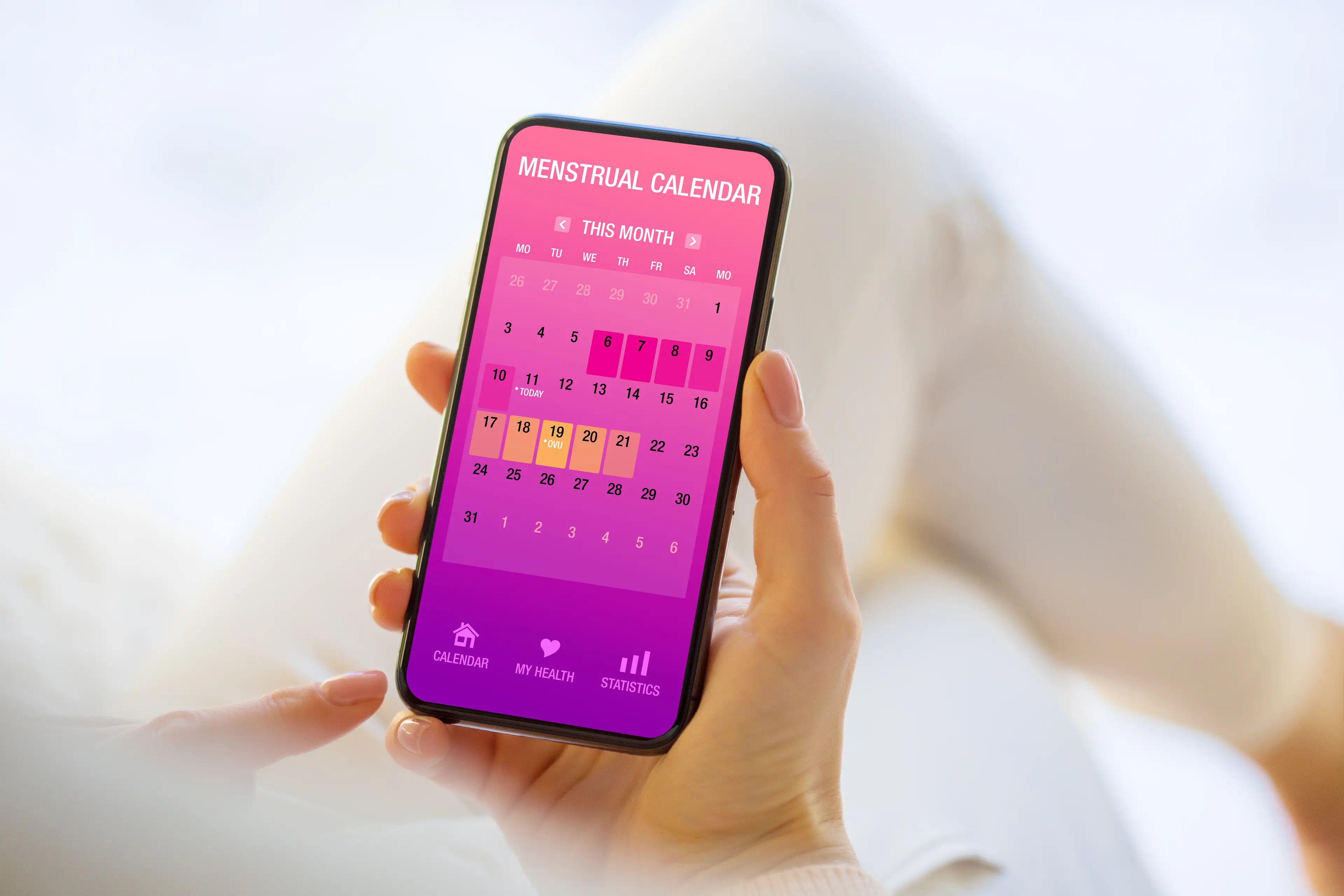
Women on social media are claiming they missed their periods at roughly the same time (Getty Stock Images)
Thousands of women on the app say they experienced changes to their cycles, with many claiming they either missed their period in June or had two periods that appeared unusually close together.
“I had 2 periods in June,” one woman shared in the comments.
“I thought my cycle was just messed up from the heatwave,” added another, who posted her menstrual calendar, while others have said they are still waiting for their periods to arrive as of 13 July.
An expert’s say in the phenomenon of missed periods
As speculation about the cause increases, a GP has spoken exclusively to Tyla about the most likely explanations.
“There has been increased discussion on social media about women experiencing either two periods in one month or missing a period entirely during June,” says Dr Ravina Bhanot, a women’s health GP and founder of The One Labs.
While the trend has left many women wondering whether there is a wider reason behind the apparent pattern, experts say there is currently no evidence that one single event has caused widespread changes to menstrual cycles across the UK.
A GP has explained the likely explanations (Getty Stock Image)
“There is currently no scientific evidence that a single event caused a nationwide change in menstrual cycles across the UK,” Bhanot explains. “However, there are several biologically plausible factors that may have contributed to temporary menstrual disruption in some women.”
The effects of the recent heatwaves
One possible explanation is the impact of the recent heatwave across parts of the UK.
“Heat places physiological stress on the body, increasing cortisol levels, disrupting sleep and affecting hydration,” Bhanot says. “These factors can temporarily alter the hypothalamic-pituitary-ovarian axis, the hormonal system that regulates ovulation and the menstrual cycle.”
“Even a slight delay in ovulation can lead to an unusually long cycle, breakthrough bleeding or what appears to be two periods within a single calendar month,” they add.
But changes in the weather may not be the only factor potentially influencing menstrual timing.
The expert also highlighted the growing use of GLP-1 medications for weight management as another possible contributor for some women.
“Rapid weight loss and improvements in insulin sensitivity can influence reproductive hormones and, particularly in women with PCOS, may alter the timing of ovulation,” they explain.
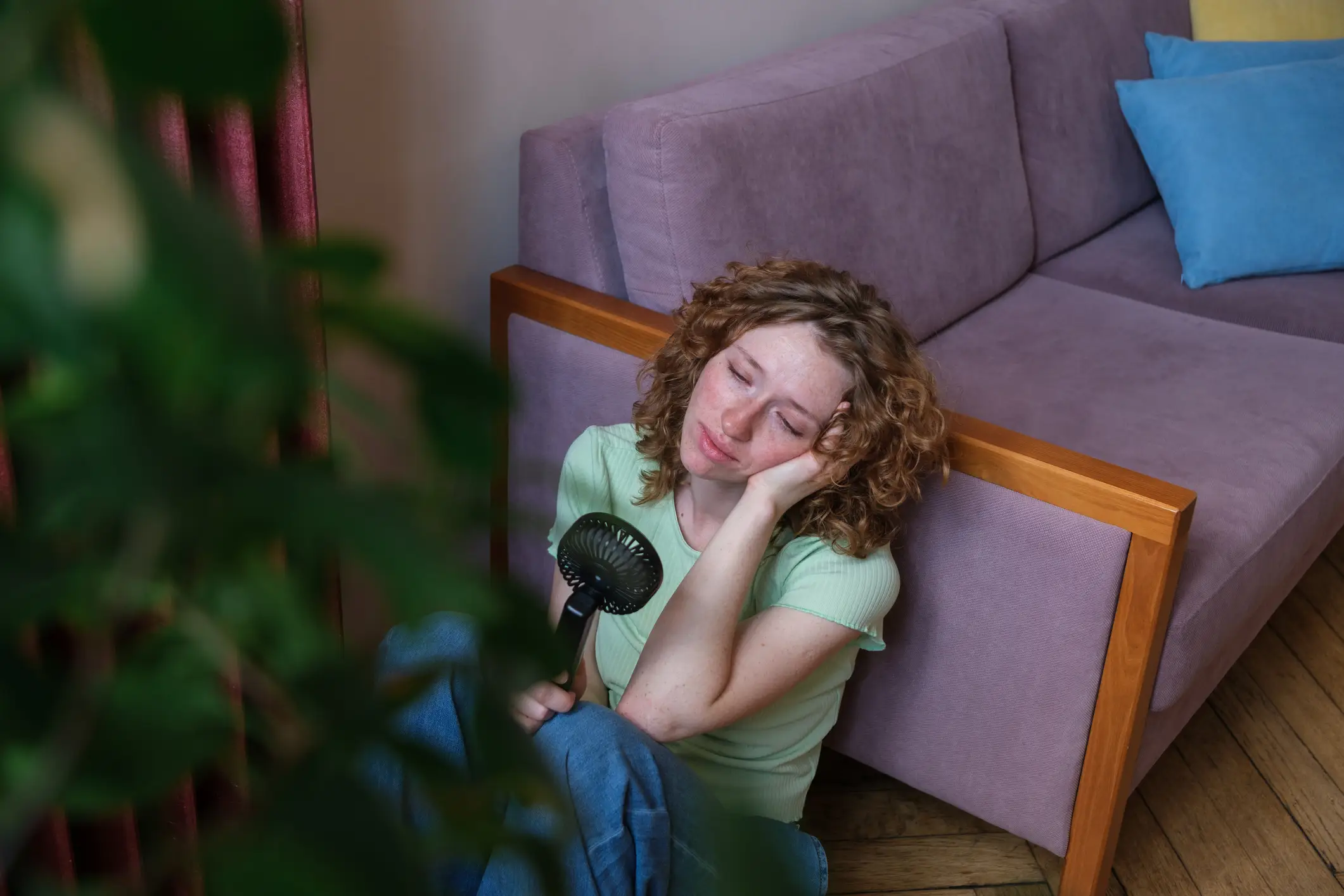
The ongoing heatwave may have something to do with it, too (Getty Stock Image)
Lifestyle changes during the summer months could also play a role, particularly as more people experience changes in routine and sexual activity.
“As we go into the summer months, more people are having casual sexual intercourse and require emergency contraception,” Bhanot says. “Emergency contraception can also temporarily change menstrual timing by delaying or advancing ovulation.”
Alongside these factors, Bhanot explains that there are a number of other reasons why periods can temporarily become irregular.
“Other contributing factors may include viral illnesses, travel, disrupted routines, changes in exercise, alcohol intake and psychological stress, all of which are recognised causes of temporary menstrual irregularities,” they explain.
Despite the number of women sharing similar experiences online, experts stress that there is currently no evidence linking the trend to one specific cause.
“Importantly, there is currently no published research that one single factor has caused widespread menstrual changes across the UK,” Bhanot says.
“Menstrual cycles are highly sensitive to changes in the body’s internal and external environment, and it is more likely that a combination of factors affected susceptible individuals rather than one specific event.”